
Ceramic Research Center & Museum
Abstracting the artifact of the kiln into architectural form.
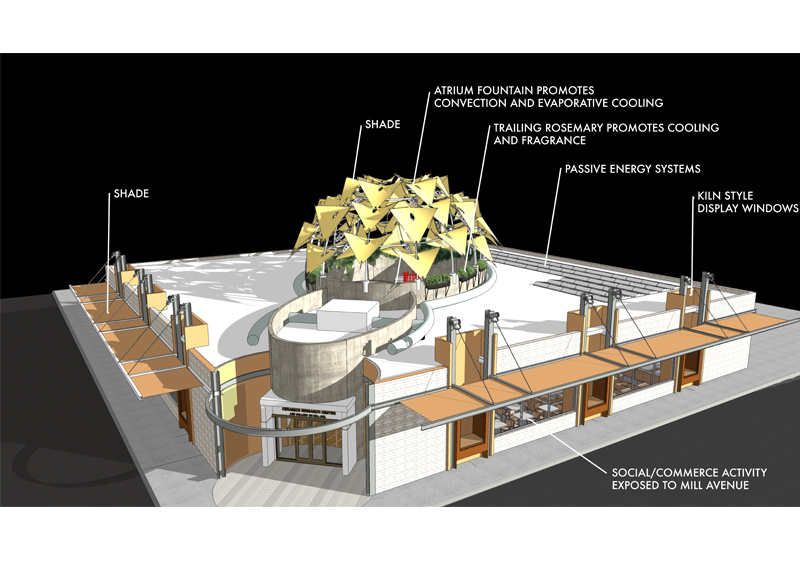
Program: This studio project was concurrent with the actual relocation of ASU’s world renowned Ceramic Research Center known as possibly the world’s largest collection of contemporary ceramic art. Primary was the importance to create a strong public connection between the activity on Mill Ave and use it as a magnet for diverse opportunities for the center’s art program and mission. It was also important for the architecture to convey its relevance to the activity it was about, a gallery to inform and stimulate through the art it showcased.
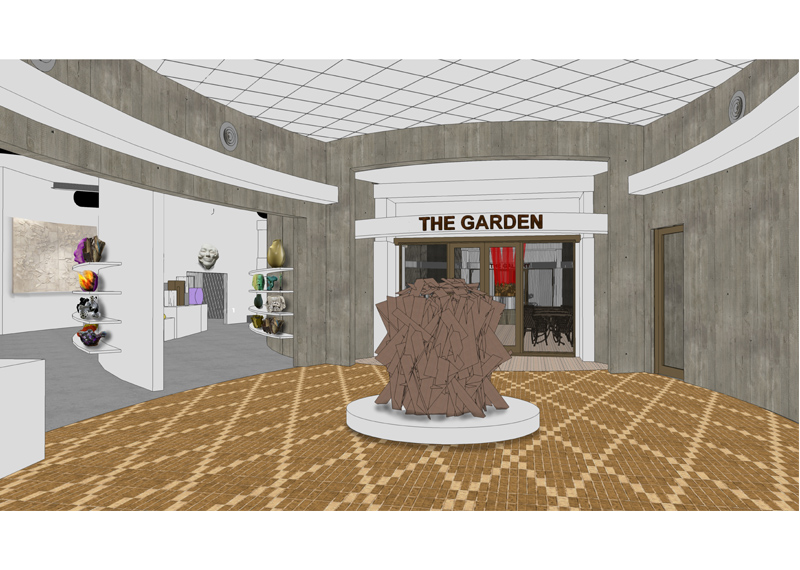
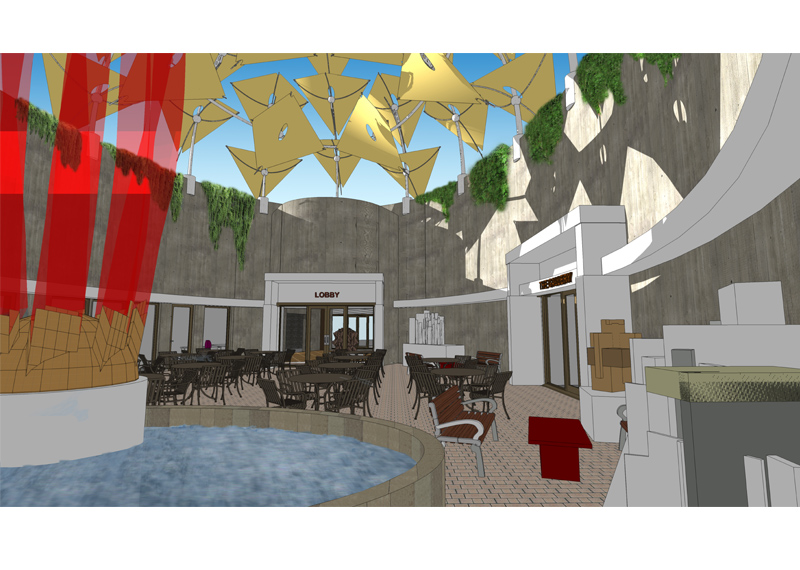
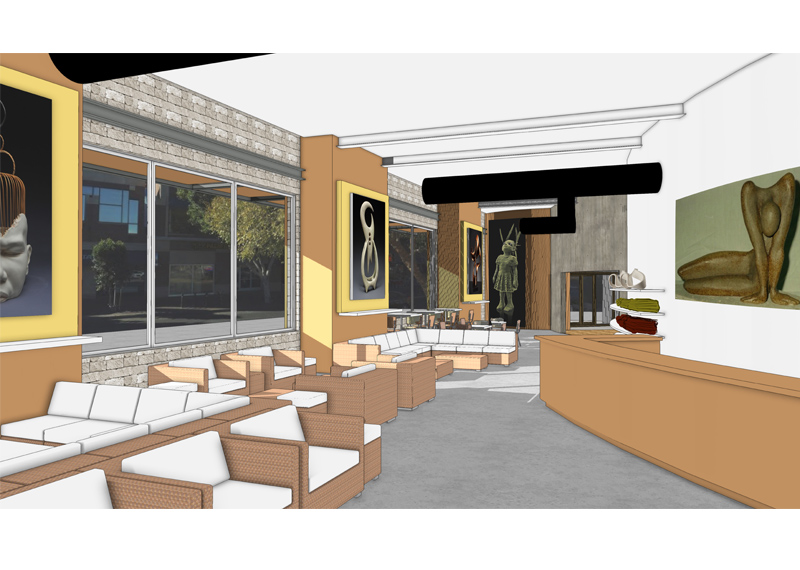
Solution: Created as one of the center’s defining features an atrium garden gallery, which acts as the central hub to all its activity. This amplified its uniqueness as well as place of sanctuary and gathering. The assemblage of kite like shade structure above it adds to comfort and controls light. These tensioned fabric membraned kites also have the ability to support photo-voltaic panels allowing them to produce passive energy to service the building systems. The interior and atrium also followed the idea of a large kiln along with the ceramics art studio. This symbolic place of calm and reflection when not being used for large gatherings and functions is designed to fit in well amongst its university population. There is also a coffee house and retail space that amplifies its connection to Mill Ave.

